

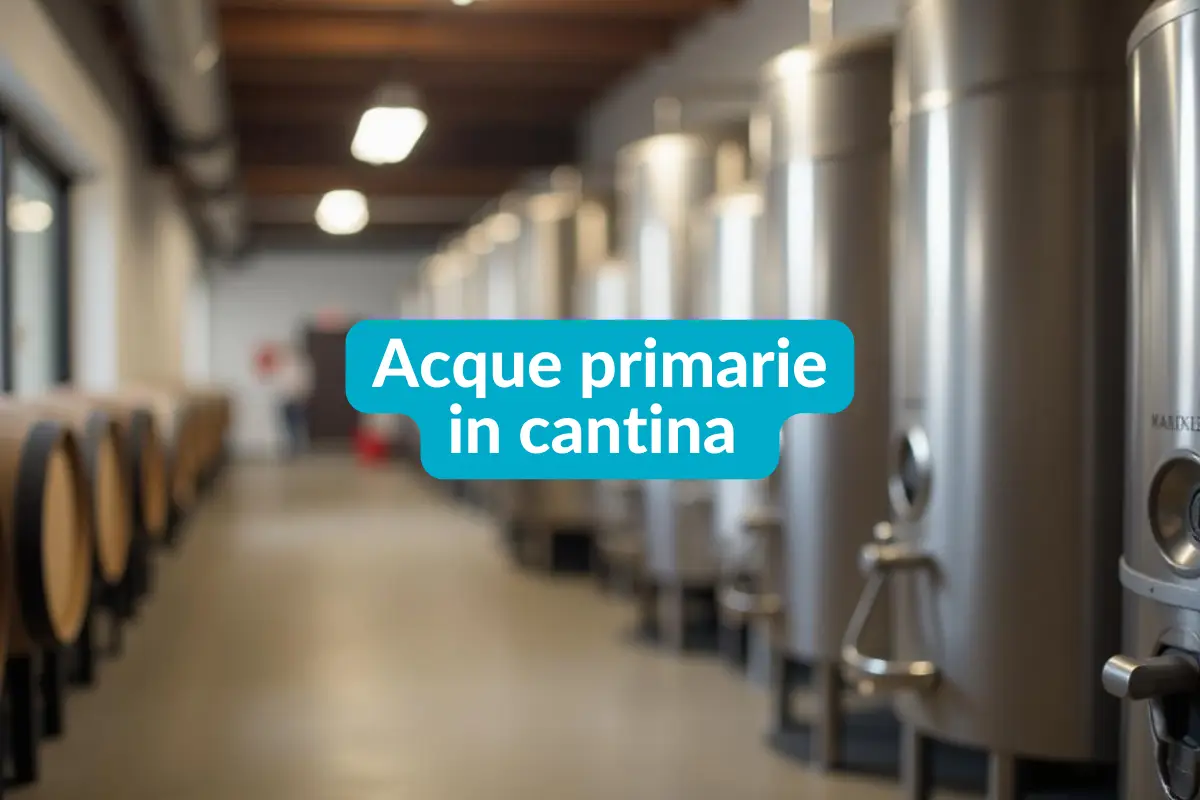
Treatment of Primary Water in the Winery: Essential Stages for the Quality of the Winemaking Process
Water is a crucial element in winemaking processes, and its quality can significantly influence the final product. For this reason, wineries must pay particular attention to the treatment of primary water. This process consists of several stages, each with a specific purpose. The sequence of these stages may vary depending on the initial quality of the water, allowing for optimal adaptation to current needs. Below, we examine the main stages of a complete treatment of primary water in the winery.
- Preliminary Filtration
Preliminary filtration serves to remove larger particles, suspended solids, and debris present in the water. Generally, screen or sand filters are used, which retain the most obvious impurities. This stage is fundamental to protect the equipment and the more refined filters used in subsequent stages, preventing damage or blockages. The use of a de-sanding filter is particularly recommended to prevent problems of sand accumulation and other coarse debris.
The preliminary filtration process itself is divided into various steps, which are as follows:
- screening: screens, sieves, or wide mesh filters are used to block the larger impurities present in the water and remove leaves, branches, or sand;
- sand filtration: sand filters, or multi-layer filters, use different filtering materials to capture various impurities and retain silt, mud, and finer debris;
- cartridge filtration: cartridge filters are used that can retain particles up to a few microns in size, further filtering even smaller particles;
- activated carbon filtration: this optional operation involves the use of filters with activated carbon, which absorb organic molecules and chemical contaminants from the water with the aim of removing organic substances, chlorine, and unpleasant odors.
Preliminary filtration reduces wear on machinery and pumping systems, preventing the deposition of solids in pipes. Furthermore, it ensures cleaner water, necessary for washing operations and to avoid contamination during the winemaking process. Finally, it prepares the water for more advanced treatments such as fine filtration or disinfection.
 Add to compare
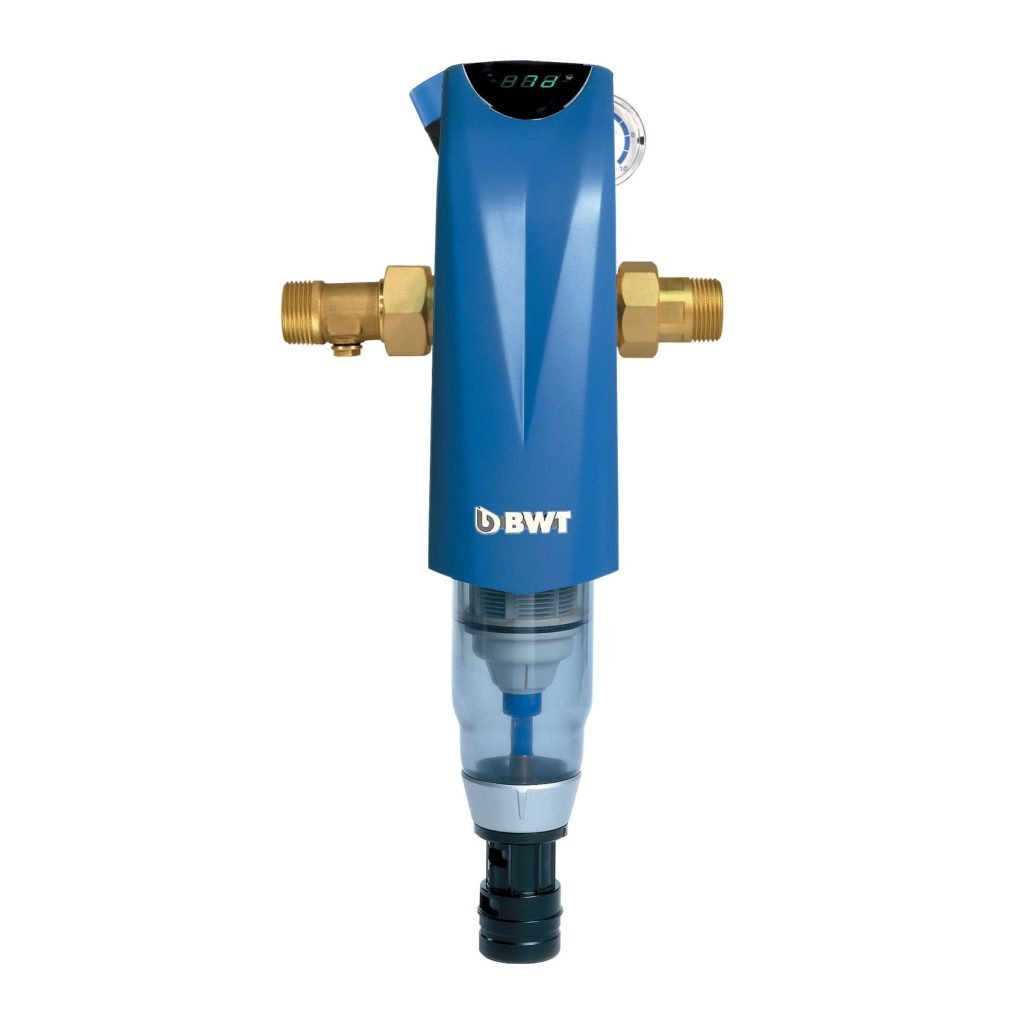
INFINITY A DELTAPI 2” COMBI De-sanding Filter
Filtration BWT-INFINITY A DELTAPI 2" COMBI Request a quote Quick view- Softening
Softening is a crucial step to reduce water hardness, which is caused by the presence of minerals such as calcium and magnesium. If untreated, these minerals can form scale deposits that risk compromising the winery's equipment and negatively affecting winemaking processes. The use of a softener ensures that the water used is softer, preventing the formation of scale and improving the efficiency of operations.
Softening mainly occurs through the use of ion exchange softeners, which utilize special resins to retain calcium and magnesium ions and replace them with sodium ions, which do not form scale deposits.
Initially, the water is passed through a resin bed charged with sodium ions. Subsequently, the calcium and magnesium ions, which are responsible for water hardness, are attracted to the ion exchange resins, as these ions have a greater affinity than sodium.
The second step is ion exchange: the sodium ions present on the surface of the resin are released into the water, while the calcium and magnesium ions are retained. This process significantly reduces the amount of calcium and magnesium in the water, resulting in "softened" water. Once treated and softened, the water is introduced into the winery's hydraulic system to be used in various stages of wine production.
Some of our products
 Add to compare
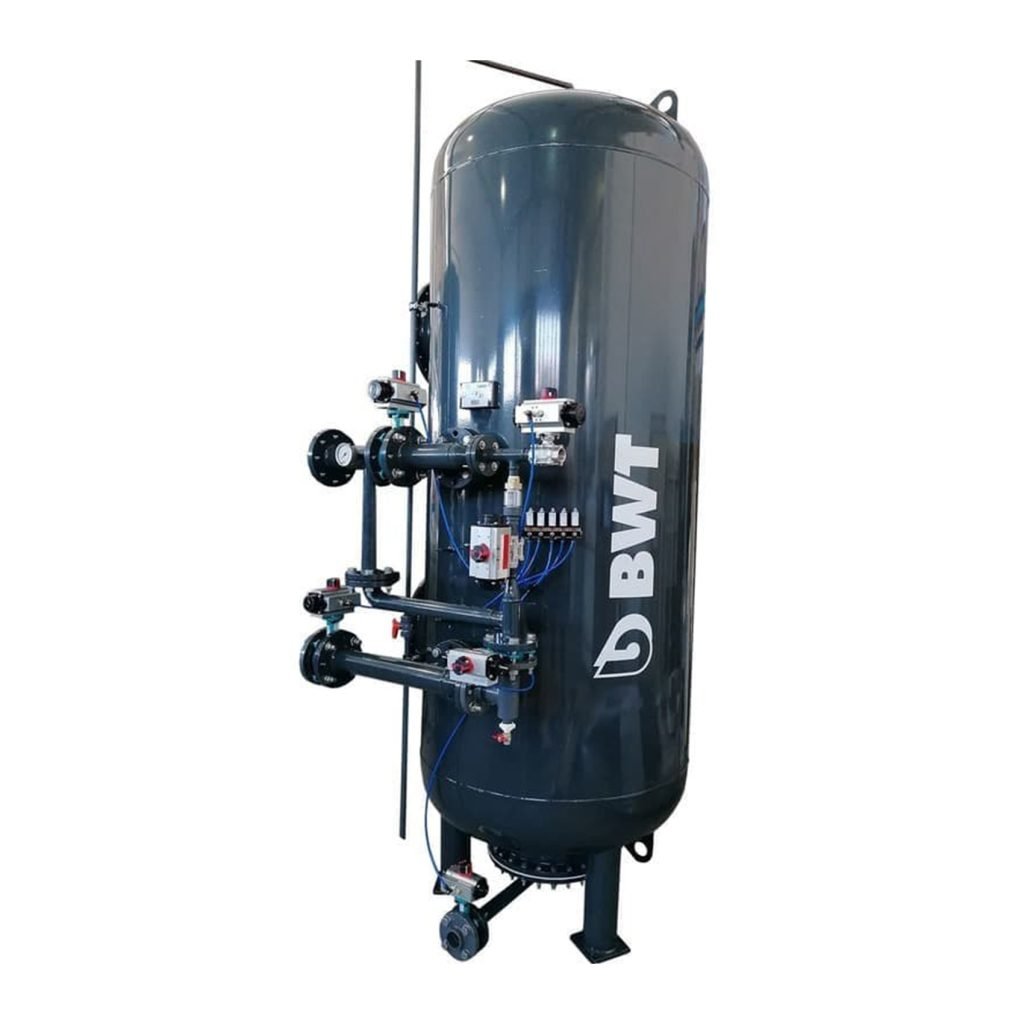
BA 1050 T VF Ion Exchange Softener
Softeners BWT- BA 1050 T VF Request a quote Quick view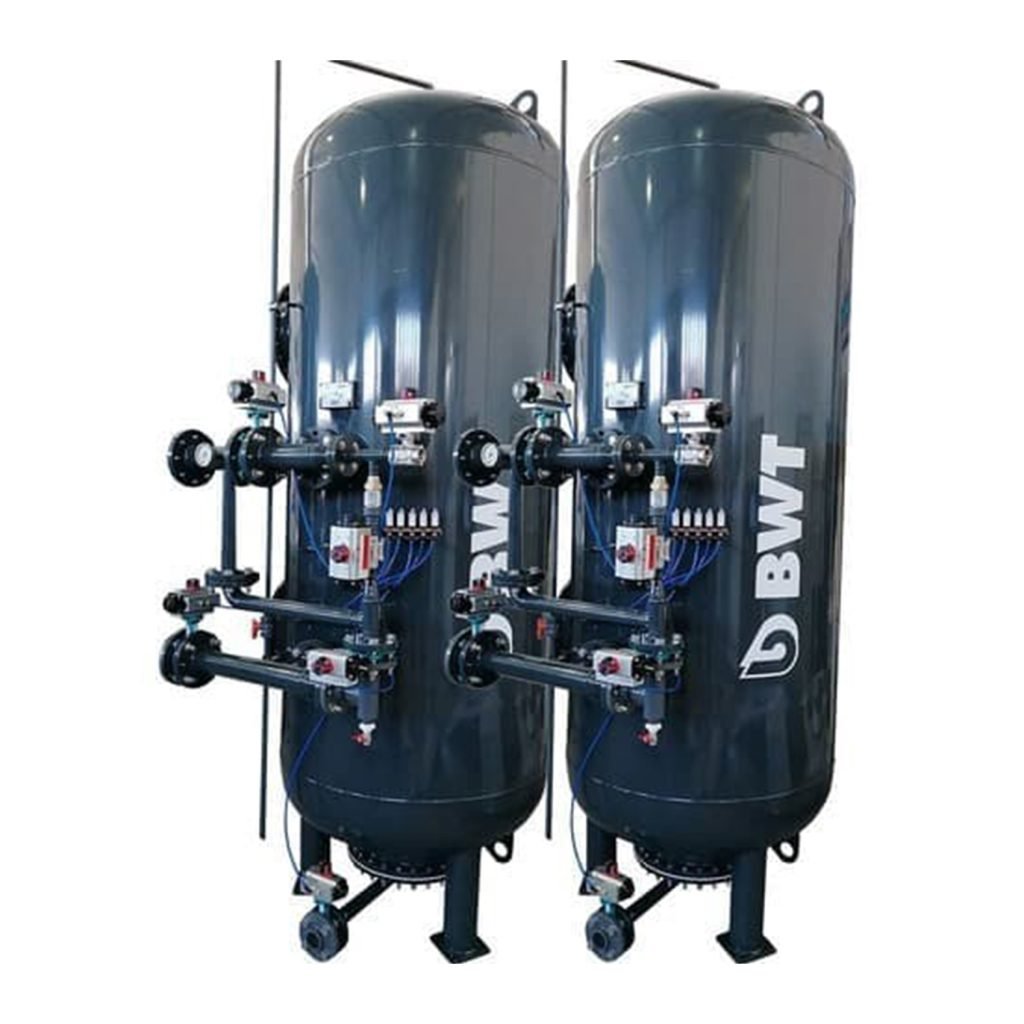 Add to compare
BA 3850 2XC VF Ion Exchange Softener
Softeners BWT- BA 3850 2XC VF Request a quote Quick view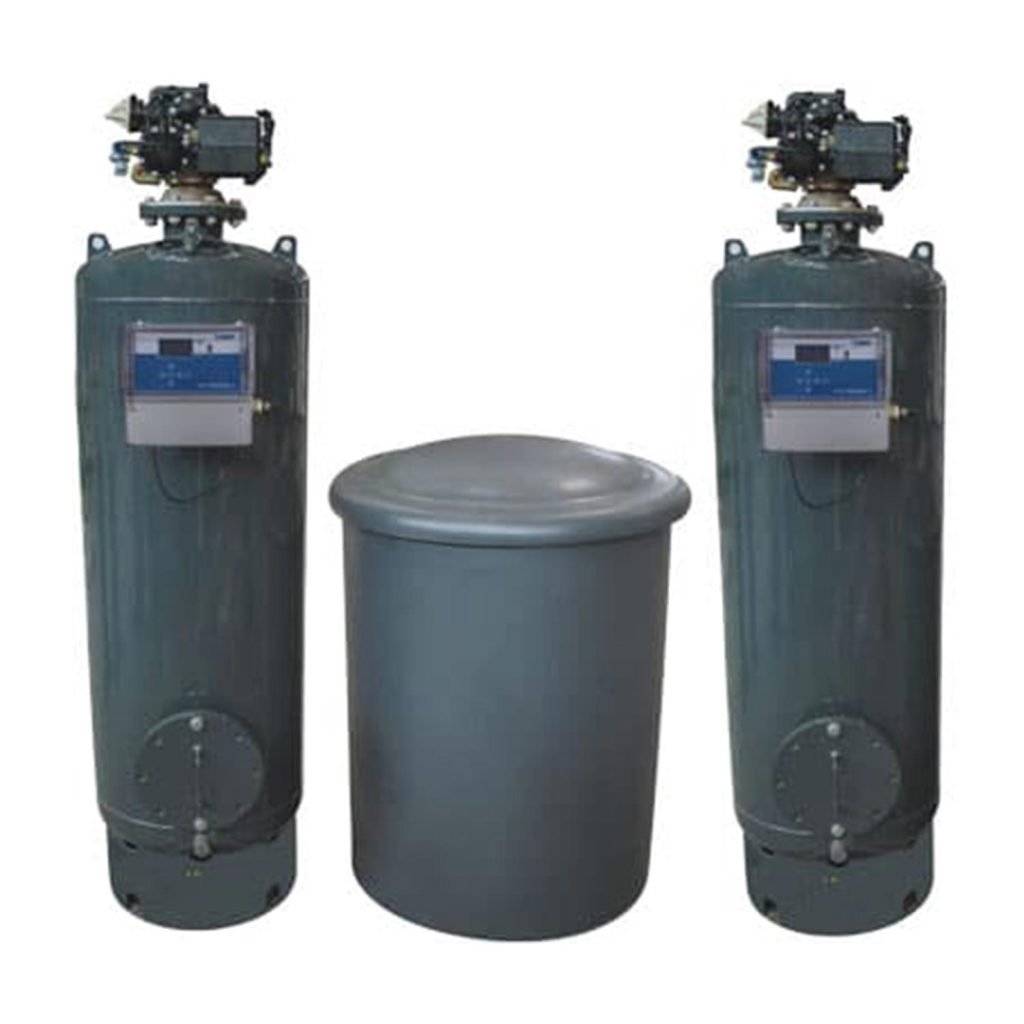 Add to compare
BA PILOT M 772 2xC CYBER Ion Exchange Softener
Softeners BWT-BA PILOT M 772 2xC CYBER Request a quote Quick view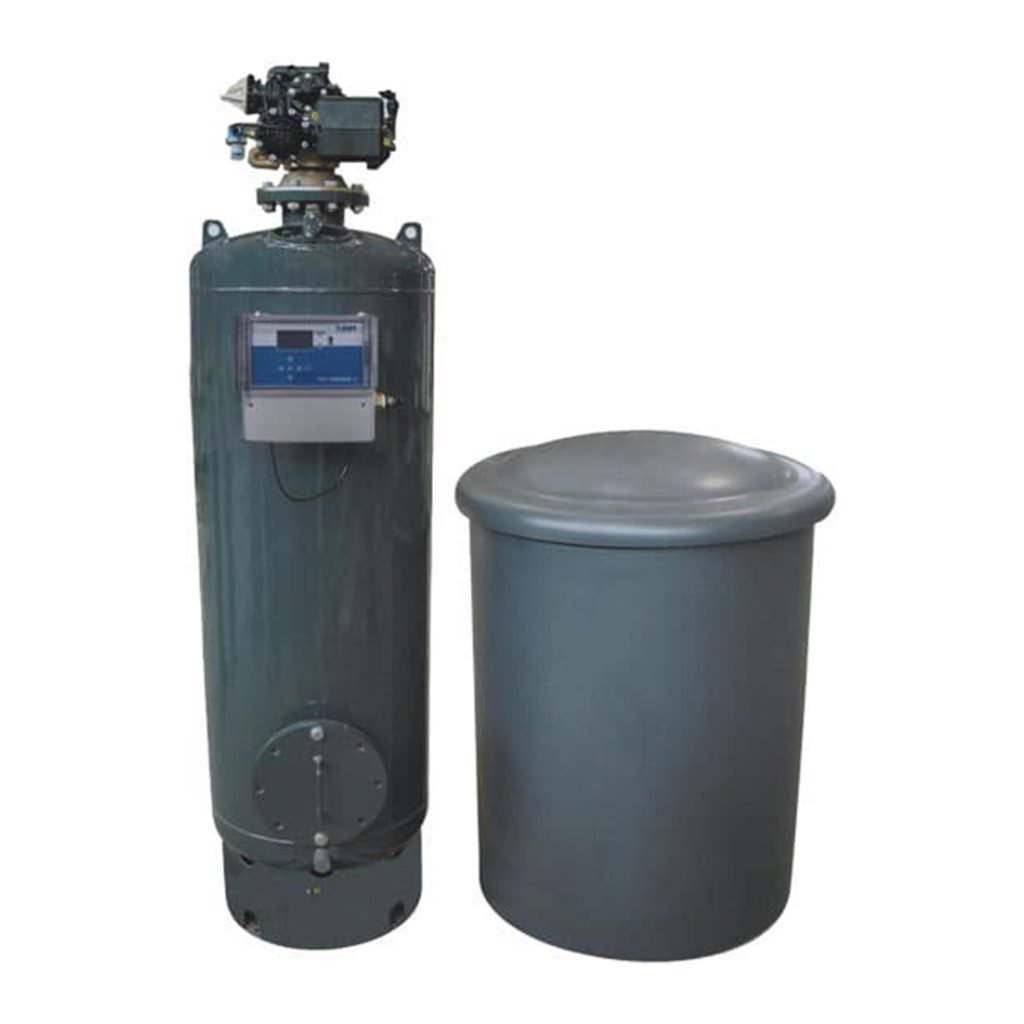 Add to compare
BA PILOT M 870 - T Ion Exchange Softener
Softeners BWT-BA PILOT M 870 - T Request a quote Quick view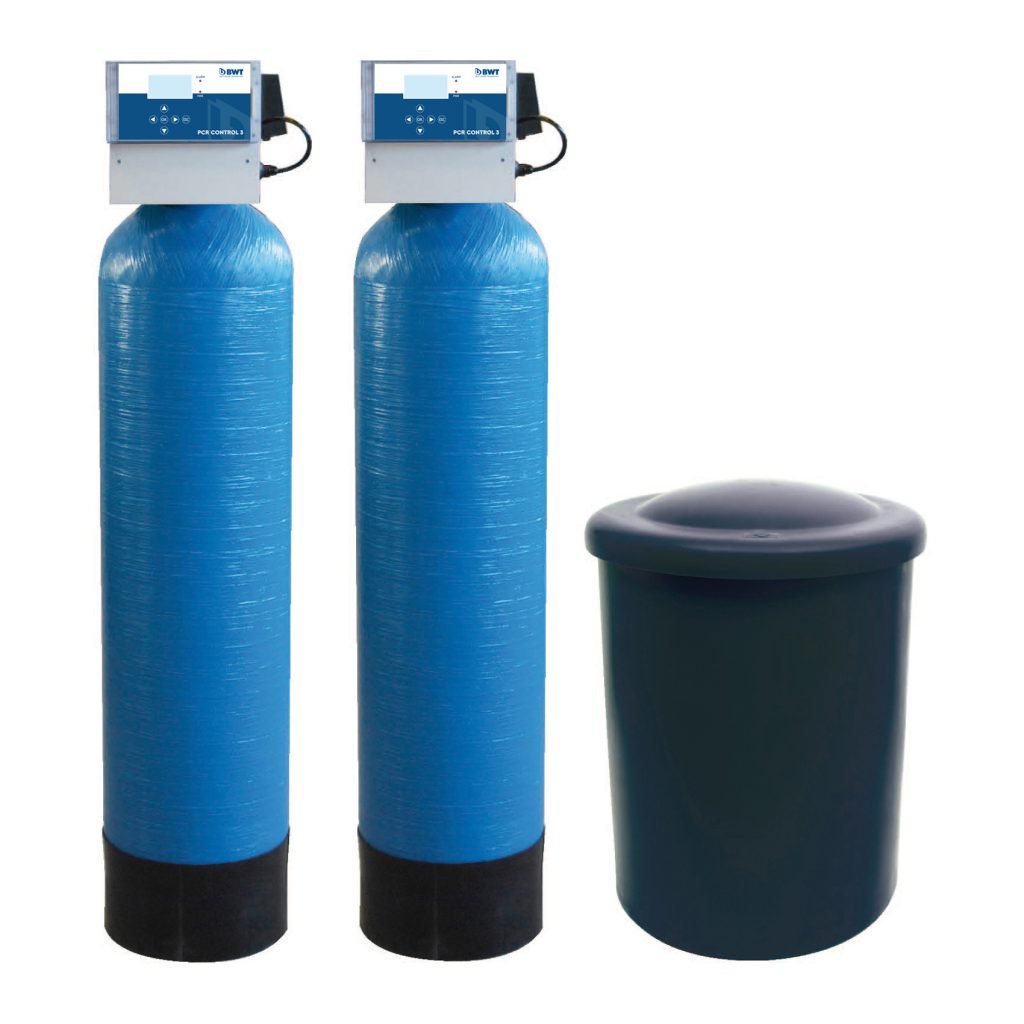 Add to compare
BA PILOT V 581 2xC-CYBER Ion Exchange Softener
Softeners BWT-BA PILOT V 581 2xC-CYBER Request a quote Quick view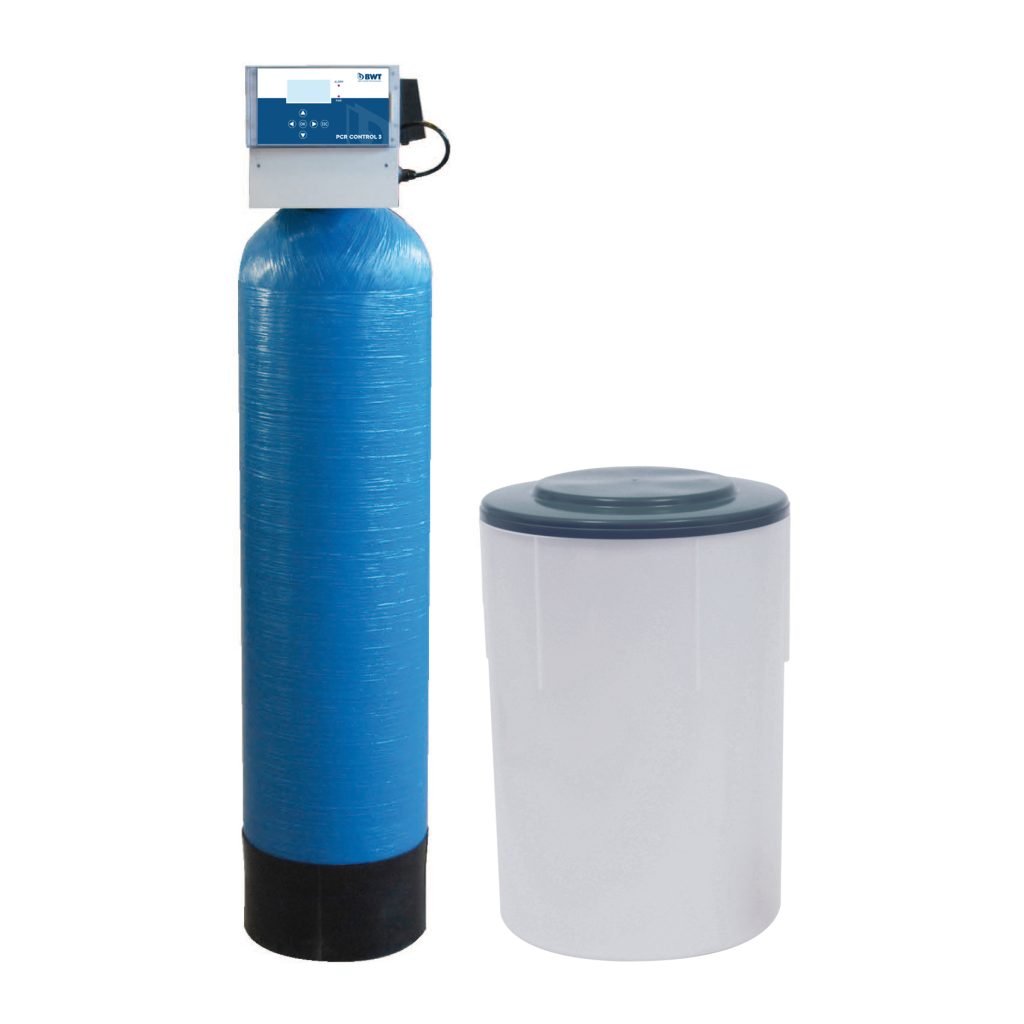 Add to compare
BA PILOT V 870 – T Ion Exchange Softener
Softeners BWT-BA PILOT V 870 - T Request a quote Quick view
Add to compare
BA PILOT V 870 – T Ion Exchange Softener
Softeners BWT-BA PILOT V 870 - T Request a quote Quick view
Add to compare
BA PILOT V 870 – T Ion Exchange Softener
Softeners BWT-BA PILOT V 870 - T Request a quote Quick view
Add to compare
BA PILOT V 870 – T Ion Exchange Softener
Softeners BWT-BA PILOT V 870 - T Request a quote Quick view
Add to compare
BA PILOT V 870 – T Ion Exchange Softener
Softeners BWT-BA PILOT V 870 - T Request a quote Quick view
Add to compare
BA PILOT V 870 – T Ion Exchange Softener
Softeners BWT-BA PILOT V 870 - T Request a quote Quick view
Add to compare
BA PILOT V 870 – T Ion Exchange Softener
Softeners BWT-BA PILOT V 870 - T Request a quote Quick view
Add to compare
BA PILOT V 870 – T Ion Exchange Softener
Softeners BWT-BA PILOT V 870 - T Request a quote Quick view
Add to compare
BA PILOT V 870 – T Ion Exchange Softener
Softeners BWT-BA PILOT V 870 - T Request a quote Quick view
Add to compare
BA PILOT V 870 – T Ion Exchange Softener
Softeners BWT-BA PILOT V 870 - T Request a quote Quick view
Add to compare
BA PILOT V 870 – T Ion Exchange Softener
Softeners BWT-BA PILOT V 870 - T Request a quote Quick view
Add to compare
BA PILOT V 870 – T Ion Exchange Softener
Softeners BWT-BA PILOT V 870 - T Request a quote Quick view
Add to compare
BA PILOT V 870 – T Ion Exchange Softener
Softeners BWT-BA PILOT V 870 - T Request a quote Quick view
Add to compare
BA PILOT V 870 – T Ion Exchange Softener
Softeners BWT-BA PILOT V 870 - T Request a quote Quick view
Add to compare
BA PILOT V 870 – T Ion Exchange Softener
Softeners BWT-BA PILOT V 870 - T Request a quote Quick view
Add to compare
BA PILOT V 870 – T Ion Exchange Softener
Softeners BWT-BA PILOT V 870 - T Request a quote Quick view
Add to compare