Without water there is no life, without water there is no cultivation and no production. Without water on our tables we would have nothing, without water it would not be possible to produce wine, cheese, pasta, fruit, meat, vegetables, and everything that is part of our daily lives. Dorabaltea, which has been operating for over 20 years in the wastewater treatment sector, knows this very well and is daily alongside its clients to help them transform the problem of wastewater management into a new environmental and economic resource. The main sources of water supply we use are wells, rivers, lakes, and aqueducts from which we draw water resources for our activities, and once contaminated, we discharge them as “waste.” Dorabaltea technologies are capable of treating and transforming this wastewater into a new source of supply at zero cost to be added to the usual ones. Water, in fact, unlike electricity and gas, once used can be reused. Water is a determining element in everyday life, which is why it is also crucial for farmers, agricultural companies, and food producers who daily consume huge quantities of water for irrigation and generally for agro-food processing and breeding activities. Water is a precious resource that should not be wasted, but unfortunately, today we are witnessing excessive water consumption that has a direct impact not only on the health of the planet but increasingly on the economic sustainability of companies. To reduce water waste and adopt virtuous actions that help reduce consumption in economic terms and limit environmental impact, it is necessary to use specific technologies capable of transforming wastewater generated by agricultural, tourism, agro-food, and industrial processes into a new water resource, with a view to more sustainable management. Treated and purified wastewater can be reused in a second life cycle. Moreover, between 2024 and 2027, agricultural and even industrial companies can benefit from significant grants in the form of non-repayable funds and tax bonuses, made available by Europe, the Ministry of Economic Development, and the Regions to equip themselves with cutting-edge purifiers capable of treating wastewater according to national and international legal standards and regulations. In the following paragraphs, we analyze the importance of wastewater reuse, the economic and environmental benefits, the operation of purifiers, and some case studies that help us gain a general overview of the issue.
The Importance of Wastewater Reuse
To understand the importance of wastewater reuse, we must discuss the concept of water footprint, which indicates the amount of water resources used to produce goods and services consumed by the population. When we think about the water footprint of each of us, we should not only talk about the water used for washing, but it is appropriate to take a broader view and also consider the indirect consumption generated to produce that type of good and/or service. Staying within the agricultural sector, here is how much water is needed for the production of the following products that end up daily on our tables:
- 1 glass of wine: 120 liters of water;
- 1 tomato: 13 liters of water;
- 1 cup of coffee: 140 liters of water;
- 1 orange: 50 liters of water;
- 1 potato: 25 liters of water;
- 1 hamburger: 2400 liters of water;
- 1 piece of cheese: 2500 liters of water;
- 1 egg: 135 liters of water;
- 1 beef steak: 4650 liters of water;
- 1 chicken breast: 1170 liters of water;
- 1 slice of bread: 40 liters of water.
Impressive numbers, and considering the constant growth of the world population and the boom in mass consumption, demand will continue to increase in the coming years until it becomes unsustainable. There are various solutions, the immediately practicable one with immediate results is: the treatment of wastewater, that is, those used in human, domestic, industrial, and agricultural activities. In every production, drinking water comes into contact with various organic and inorganic substances that can be harmful to health and the environment and that remain dissolved in the water. To return this water to a new clean and healthy resource, it must first be treated with appropriate technologies, and once fully treated, it can be reintroduced into nature without harming the surrounding environment. There are various treatment systems on the market, those of Dorabaltea have unique characteristics in terms of material sustainability, reduced electrical consumption, adaptability to the production cycles of companies, ease of management, cost-effectiveness, compliance with all environmental laws, and can be applied in multiple fields. Dorabaltea offers a wide range of versatile and adaptable solutions for every business need. In this way, increasingly stringent environmental laws are respected, tangible contributions can be made to the fight against water waste, and a sustainable management of water resources in the agricultural and food sectors can be adopted. The reuse of treated water also helps limit the withdrawal from natural sources and reduce pollution, contributing to the protection of ecosystems and biodiversity. Excessively drawing water resources from nature is a problem, as it causes upheavals that directly impact local flora and fauna, but sometimes it is even impossible to do so due to the lack of this resource or the presence of unusable water such as saline or contaminated water. In the climatic upheavals we are witnessing, there is also the hand of man, but with the wise and moderate use of wastewater, it is possible to raise a bulwark against water consumption in the agricultural, tourism, agro-food, industrial, and residential sectors. Safeguarding the environment is not only an ethical practice but also necessary to protect the ecosystems that contribute to various production cycles. Finally, wastewater treatment plants represent a very powerful weapon against the water crisis and drought, a problem that has affected all of Italy from north to south during the summer periods, but also in winter. The high discontinuity and unpredictability of precipitation combined with the drying up of some rivers in recent years have caused serious damage to agriculture, which represents one of the driving sectors of our country. If “fresh” water does not come from the sky, then we must optimize what is already available. And this is where the wastewater treatment plants of Dorabaltea come into play, which precisely treat and purify already existing water resources to make them usable in daily activities. Even if it does not rain abundantly, farmers and agricultural companies still have the opportunity to draw clean water and thus contain the damage caused by drought.
Economic Advantages and State Contributions
According to a UNESCO report from a few years ago global water consumption has increased sixfold in the last 100 years. This growth is driven not only by population increase but also by changing production models that are increasingly intensive and the management of water resources. We must not forget the climate change that has worsened the water crisis, making it difficult to find water in certain areas of the world and for certain periods of the year. In many sectors, such as agriculture and industry, a significant amount of water is required to complete the production cycle, which clearly impacts the company budget in terms of costs. The installation of wastewater treatment plants helps not only to reduce consumption and lighten water bills but also to ensure a more sustainable future. The wastewater from production processes, once purified of pollutants and sediments, can be reused in the production cycle, ensuring significant savings in terms of costs, energy expenses, and resources. The advantages of using wastewater treatment plants are of two types:
- environmental: reuse promotes the development of a circular economy that reduces the demand for water, giving it a second life;
- economic: water supply costs are significantly reduced, allowing companies to allocate the saved economic resources to other activities. Compared to a few years ago, the cost of water has increased by 3-4 times, making it easy to understand how essential it is to save and reduce costs through reuse;
- commercial: the market trend is to reward sustainable companies with a low water impact, which is why many retail chains purchase from sustainable producers rather than from companies with a high environmental footprint. Specific certifications such as Equalitas and Viva for the wine sector, but also the future ESG for all industrial sectors, are increasingly in demand.
Dorabaltea's wastewater treatment systems are fully automated and can autonomously manage almost the entire purification process with qualified human presence for support. Furthermore, it is possible to take advantage of incentives and state contributions, in the perspective of increasingly green and eco-sustainable production. These include PNNR, PSR, OCM, PIF, ZES, TRANSITION 5.0, and regional contributions starting from 2024. These measures are structured to provide non-repayable grants and tax credits up to a maximum of 60% depending on the type of intervention. In some cases, there is the possibility of combining contributions, but this must be evaluated on a case-by-case basis with your consultant.
How Does a Wastewater Treatment Plant Work?
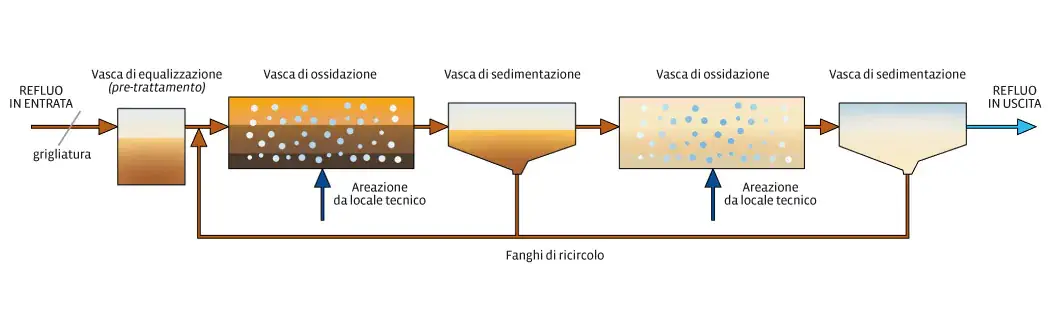 Wastewater, before it can be returned to nature, must be adequately treated and purified. Let’s analyze the process that allows wastewater to rid itself of all pollutants and thus be reintroduced into nature without any danger. The water is first collected from private or public sewer systems that bring it to the treatment plants. Here are the main steps:
- grating: this is the first treatment process, during which the water passes through grates that block coarse pollutants;
- sedimentation: the water contains suspended solids and coarse contaminants that must undergo a first separation through a physical phenomenon of natural sedimentation in tanks, from where it is then sent to the biological compartment;
- de-oiling: where necessary, the water is also cleaned of fats and oils. This phase can be carried out through simple physical separation, with lighter fats rising to the surface, or air is introduced into the tanks to bring oils and fats to the surface.
In the sedimentation phases, special sedimentation tanks are used, employed in primary sedimentation tanks to facilitate the deposition of sedimentable solids. Subsequently, the water undergoes treatment with biological oxidation. Air is introduced into the tank, thus providing the necessary amount of air for the survival of bacteria, which, being present in the water, feed on all the organic contaminating substances contained therein. With the aggregation of bacteria, flocs of sludge are formed that precipitate to the bottom because they are heavier. At this point, the water is ready to be further clarified and separated from the active sludge, to be suitable for discharge, and must undergo a final sedimentation phase that may differ depending on the type of technology used.
- Secondary sedimentation or filtration : this phase has two purposes, the first is to prevent biological sludge from being discharged with the treated water, allowing it to remain within the biological reactor to continue its purifying action, the second is to make the treated water suitable for reuse for both industrial and irrigation purposes, thus allowing for a new healthy and clean water resource from wastewater without having to purchase new water from the aqueduct or draw from wells.
At this point, the water is clean, but there is one last step to take to introduce the water into nature without problems, which is disinfection. The water is disinfected to eliminate any harmful residues remaining. Once the water line is completed, there are still the sludges that are recovered from the bottom of the sedimentation tanks to be treated again. The sludges undergo thickening and dehydration processes, making them easier to dispose of. The cycle is complete, and the water is ready to be distributed into nature without any problems. Now we can focus on the operation of some of the most efficient and high-performance models from Dorabaltea suitable for both the domestic sector, such as AT PLUS R, and the agro-industrial sector, such as MBAS and MBR.
Operation of AT PLUS R
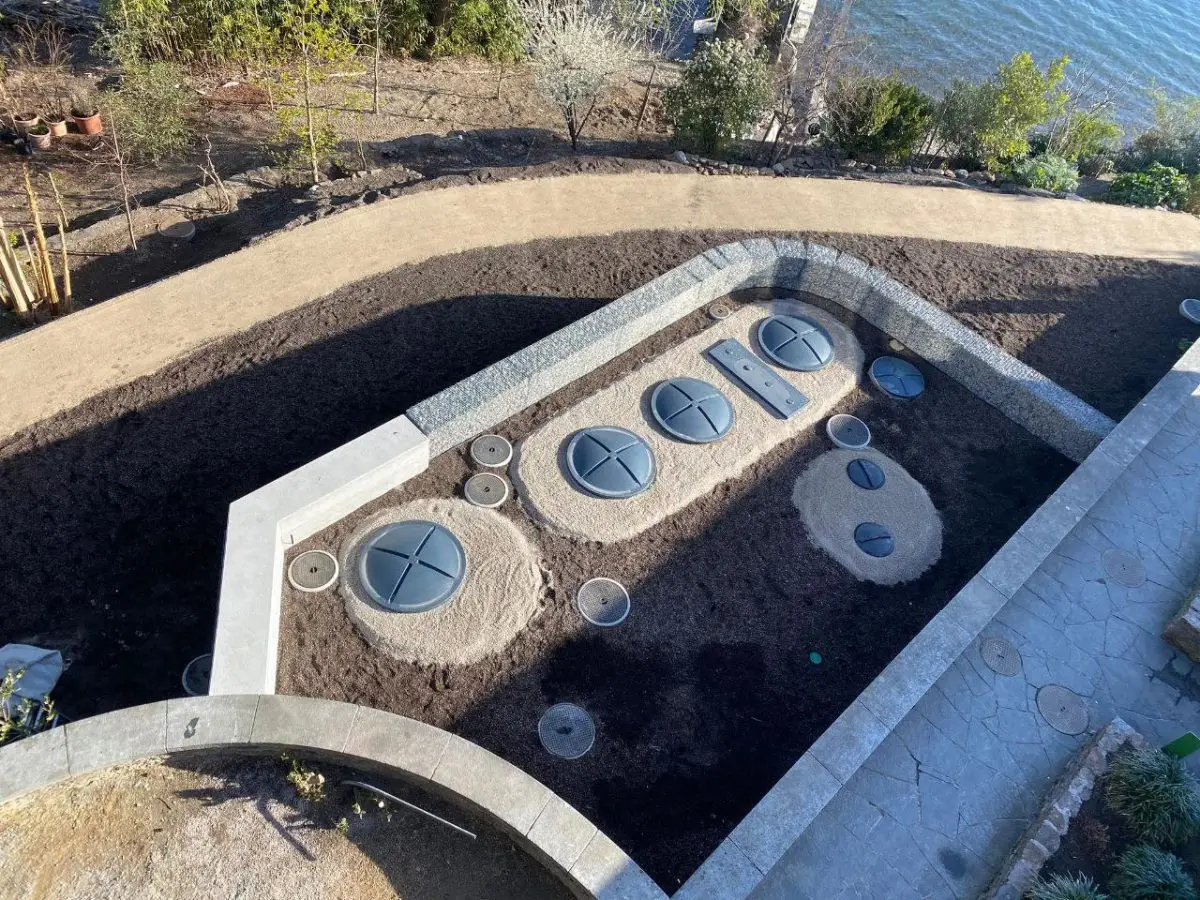 AT OVAL PLUS R is a monoblock purifier accessible to all, easy to install and maintain, based on the patented vertical flow labyrinth technology (Vertical Flow Labyrinth – VFL). The product is shipped directly to the site ready for installation, and the biological processes are self-activating, so there is no need to add chemical or biological reagents. The process phases are mainly 3 and occur all within the same tank:
- non-aerated chamber with vertical flow labyrinth: the raw effluent enters the first chamber where sedimentation of coarse materials occurs and also the first degradation of nitrogen and phosphorus;
- aerated chamber: subsequently, the pre-treated wastewater is introduced by gravity, thus without the use of pumps, into an aerobic environment where biological purification of organic substances and nitrogen occurs. The entire process is carried out by blowing fine bubbles of oxygen into the chamber, useful for activating the metabolism of the microorganisms responsible for the biological process. The aerated chamber and the non-aerated chamber are connected to each other through an internal sludge recirculation line;
- final clarification chamber: the effluent is refined with further sedimentation, where the last solid impurities are separated from the liquid phase. At this point, the final effluent is purified of solids and pollutants and can be discharged into the environment. In case of flow peaks, a special integrated retention space located in the aerated chamber comes into play, which acts as a flow limiter and completes the sedimentation process without problems. Moreover, the recirculation of excess sludge is guaranteed by a sludge line that does not use submerged pumps but only an air-lift, while the flow rate of the outgoing effluent is controlled with a flow regulator.
Multi-stage System MBAS
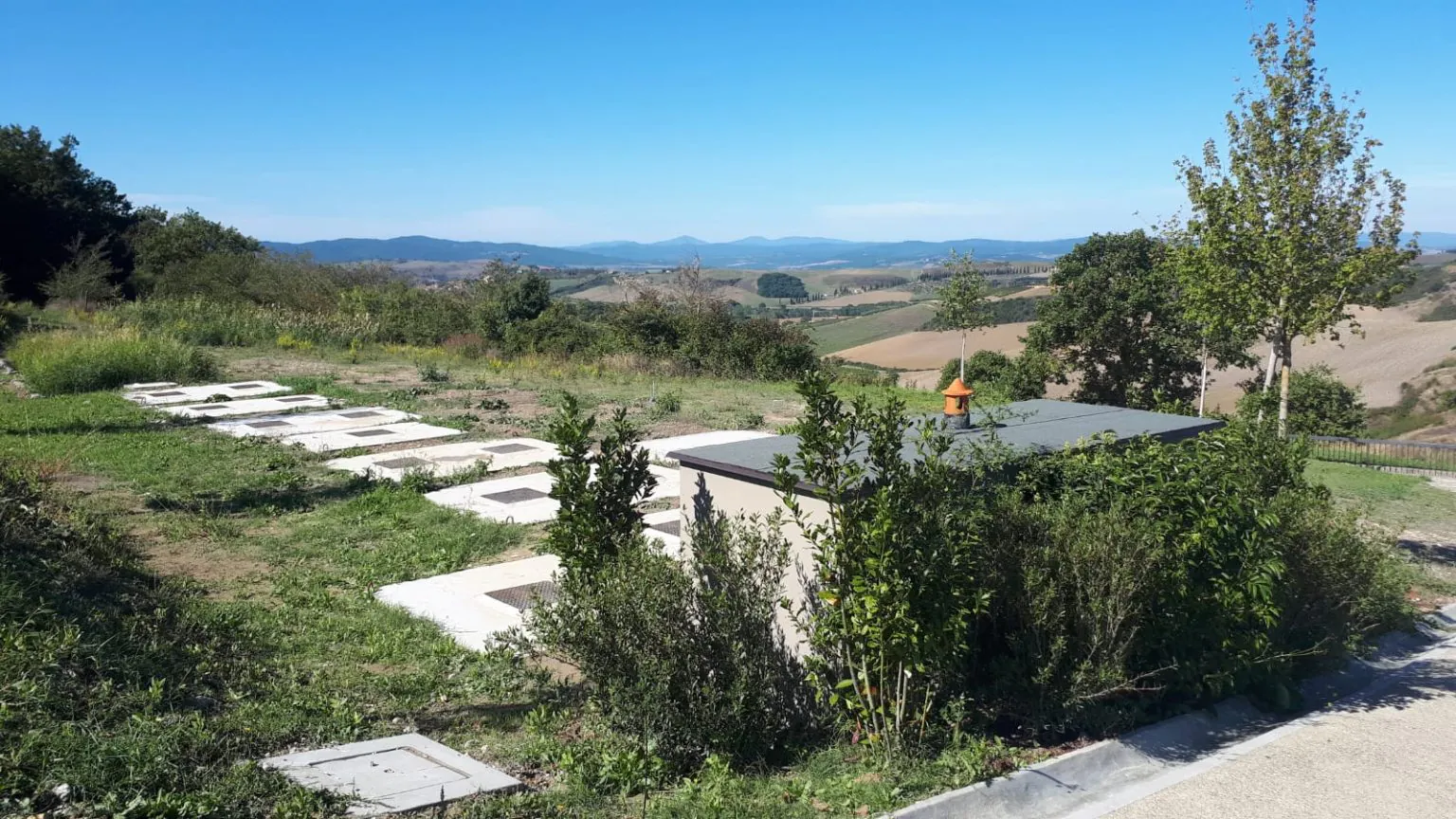 Another valid alternative is the multi-stage MBAS system, an innovative biological purification process that offers excellent performance in terms of wastewater treatment and can manage all variations of hydraulic and organic loads from wastewater generated by agro-food processing activities. The wastewater produced by the activity is collected by a network of pipes and then channeled to the biological plant with the MBAS® DORABALTEA technology that performs advanced multi-stage biological purification. In the first phase, called pre-treatment, sedimentation occurs in the first compartment of the coarse materials contained in the wastewater, which, thanks to gravity alone, are separated from the liquid fraction and then accumulate at the bottom, performing a first purification. The process then moves to the second multi-stage advanced biological oxidation phase MBAS®. The pre-treated waters flow by gravity into the plant, where ideal conditions for the development and proliferation of bacteria, the active sludges, responsible for the biological and natural removal of all pollutants, are created. In the MBAS® oxidation chambers, micro-perforated plastic diffusers are also installed that introduce air and oxygen into the wastewater through a blower installed in the appropriate technical room. The oxygen is used by these bacteria that perform their vital functions in an aerobic environment, feeding on the pollutants present in the wastewater from the processing. Thanks to the chemical energy of the pollutants, the active sludges partially grow and partially transform them into substances that are not harmful to the environment such as carbon dioxide, water, or gaseous nitrogen. Several multi-stages of oxidation follow that can adapt to the typical load fluctuations of agro-food wastewater, achieving a series of benefits such as: maximum flexibility, greater environmental sustainability, reduction of energy and maintenance costs. The plant can guarantee excellent yields with seasonal load peaks, such as during the harvest for wine users, but the MBAS® technology can significantly reduce consumption during low load periods, where the biological multi-stage can be modulated to reduce the power supplied. Furthermore, the MBAS® DORABALTEA technology is capable of achieving the desired purification yields while fully complying with national and local regulations, simultaneously reducing management costs and maintenance costs and extending the life cycles of the equipment.
Operation of MBR Biological Reactors
The MBR purifiers are wastewater treatment systems that integrate traditional active sludge technology with a membrane system for the separation of water and solids. The surface of the membranes is characterized by significant porosity that allows filtering water and retaining particles larger than the pores in the tank. To contain the fouling of the fibers, there are coarse bubble systems that aim to shake the membranes, thus facilitating the detachment of the sludge that slowly settles on the outer surface, where periodic backwashing with appropriate reagents must be added to restore the filtration capacity of the surfaces. The plant configurations used to create an MBR plant are mainly two:
- external filtration unit;
- submerged filtration unit, which allows the filtration units to be placed directly in the oxidation tank.
An MBR plant has many advantages over a traditional active sludge system, as secondary sedimentation is not used, thus increasing the concentration of solids in the aerated tank, allowing for reduced footprint and achieving a more compact treatment chain. Since there is no sedimentation compartment, all the problems and critical issues caused by poor sludge sedimentability will be eliminated, resulting in an excellent quality final effluent. Such plants are also very versatile as they can be used in various contexts such as domestic, industrial, or for upgrading existing plants. Furthermore, this particular technology ensures a high level of water-solid separation and allows for obtaining an excellent quality outgoing effluent. In this way, the quality standards required by regulations related to discharge into the environment are respected, and reusable water is obtained for industrial production cycles. Dorabaltea was approached by the agricultural company Azienda Agricola Borgo Scopeto and Caparzo di Montalcino which produces wines of excellent quality in the prestigious Brunello di Montalcino areas over its 200 hectares. First, there was an initial evaluation intervention to achieve the set objectives such as: ensuring excellent and constant purification efficiency; reducing management costs; optimizing maintenance and control of the plant. The analysis revealed a pronounced seasonality typical of wine activities, with peaks during the harvest and low load during spring. In such a situation, the modular MBAS® system of Dorabaltea was chosen. The plant consists of:
- a manual grating pit: useful for treating coarse materials present in the wastewater;
- a tank for equalization and neutralization: the flow of incoming wastewater to the plant is homogenized over 24 hours by a submersible pump connected to level sensors and a PLC. Additionally, the caustic soda dosing system connected to a pH meter allows for neutralizing the pH of the wastewater, which would otherwise be acidic;
- high-load biological oxidation: in this first stage of oxidation, a particular group of bacteria metabolizes the pollutants present in the wastewater, transforming them into sedimentable organic biomass and harmless substances for the environment such as water, carbon dioxide, and gaseous nitrogen. Additionally, downstream of the oxidation section, there is a sedimentation tank for the decantation of biological sludges and their recirculation;
- low-load biological oxidation: in this second stage of oxidation, the final refinement of the treated water occurs. The wastewater, through a biological process, is further clarified to provide an effluent that meets the limits set for discharge into surface water bodies. Downstream of the oxidation section, there is also a sedimentation tank for the recirculation of biological sludges both at the head of the plant and in the low-load oxidation tank.
The entire technology is managed with a practical remote control and telemanagement system installed in the electrical panel, through which it is possible to monitor the plant 24 hours a day and, if necessary, remotely modify the operational parameters where the working conditions in the winery require it. 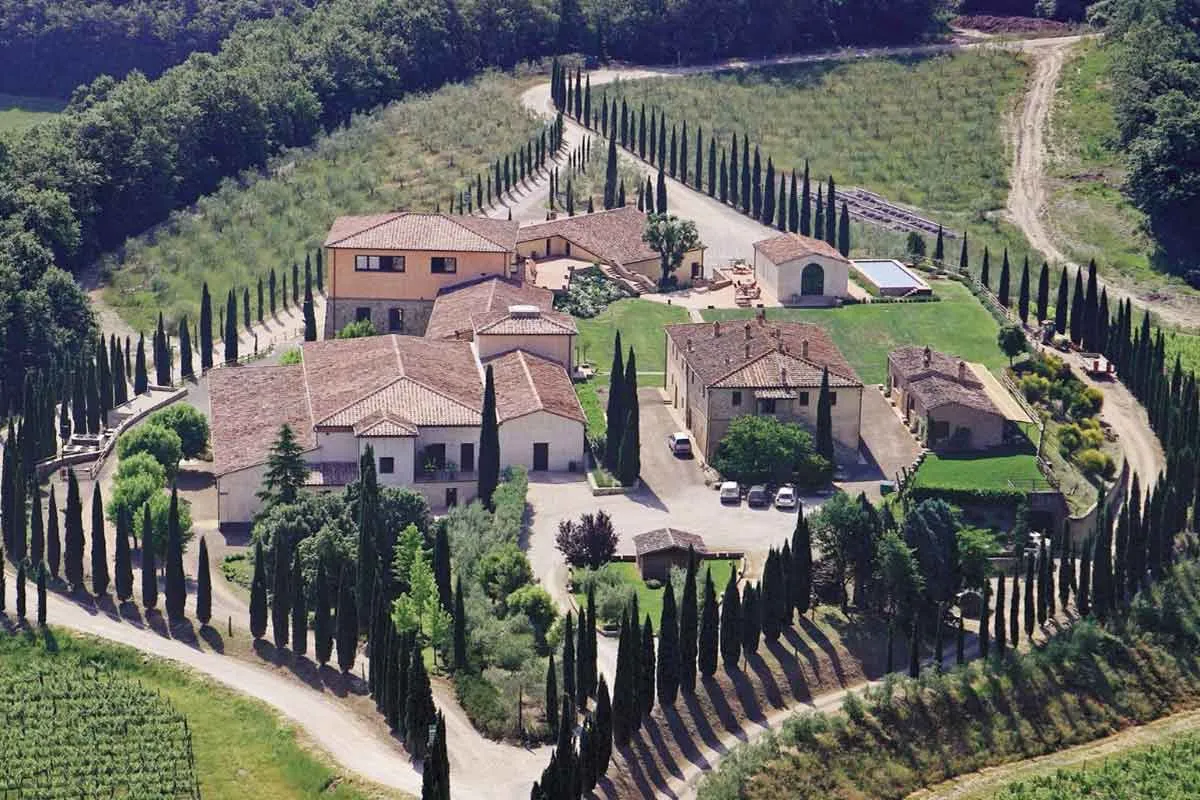 In general, the modular MBAS® Dorabaltea plant serving the company Agricola Borgo Scopeto and Caparzo di Montalcino offers the following advantages:
- ease of construction;
- minimized management costs;
- modular system that can be easily expanded;
- maximum reliability;
- compact footprint suitable for limited spaces;
- total absence of aerosols that can cause hygiene and environmental problems;
- maximum robustness and durability of materials;
- optimization of management costs;
- technical support after sale during operational phases.
There is also the Agricultural Company San Felice, located in the Chianti Senese plain, which produces high-quality wines, with a strong experiential component and low environmental impact. San Felice is a winery located in the heart of Chianti Classico, a few kilometers from Siena for over 1000 years. From a noble estate, it transformed into an important winery that immediately stood out for the great quality and innovation of its products; here in 1968, the first Supertuscan of the Chianti Classico, the Vigorello, was born. It covers an area of 140 hectares, 85% of which is cultivated with Sangiovese, demonstrating San Felice's commitment to producing a Chianti Classico with a strong territorial imprint. Today, the company is also known for its Resort, a high-level hospitality proposal, and for its environmentally sustainable approach. In 2020, San Felice was once again awarded by Wine Spectator as one of the 34 best wineries in Italy and among the top 9 in Tuscany. Today, the properties of San Felice extend over a total of about 1700 hectares, of which about 185 are cultivated in the three most prestigious production areas of Tuscany. 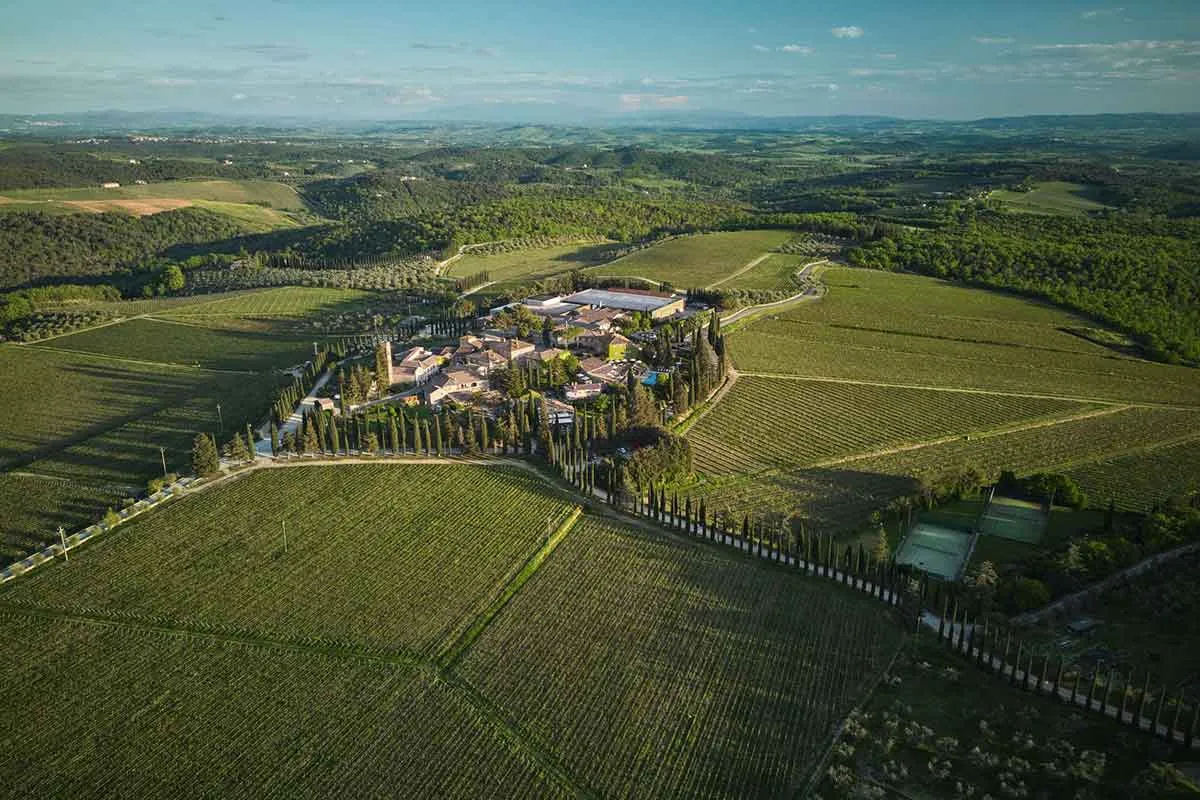 The intervention desired by the ownership included the construction of a treatment plant with MBR technology that allows wastewater from hospitality, restaurant, and winemaking activities to be transformed into a new healthy, clean water resource suitable for reuse for irrigation. The supply chain consists of a monoblock concrete plant built on-site:
- an automatic grating system: useful for treating coarse materials present in the wastewater;
- a section for equalization and neutralization: since the wastewater is subject to high discontinuity, the incoming wastewater is homogenized to be distributed in the subsequent biological phases consistently over 24 hours through an automatic loading system controlled by level sensors and a PLC. Additionally, there is an automatic dosing system connected to a pH meter necessary for neutralizing the pH, which in winery wastewater is usually acidic;
- biological oxidation: in this section, the biological degradation and oxidation process of contaminants occurs, where natural bacteria present in nature and specialized metabolize the pollutants present in the wastewater, transforming them into harmless organic biomass for the environment such as water, carbon dioxide, and gaseous nitrogen.
- Sludge thickening section: in this section, excess biological sludge is stored in the oxidation section, which accumulates during the harvest period and is reused during the low activity period of the company as nourishment for the bacteria.
- MBR membrane ultrafiltration : downstream of the biological oxidation section, there is also an innovative treatment technology that replaces the sedimentation compartment present in other technologies. The MBR indeed allows for ultrafiltration of the water before discharge, thus removing all organic material still present in the treated water, including micro-pollutants and viruses, making the water suitable for storage in the lake for reuse for irrigation
The entire purification process is managed through a state-of-the-art remote control and telemanagement system installed in the electrical panel, through which it is possible to monitor and manage in real-time and remotely the operational parameters where the working conditions in the winery require it. In general, the Dorabaltea MBR plant serving the company Agricola San Felice offers the following advantages:
- guarantee of purification efficiency;
- maximum reliability;
- compact footprint suitable for limited spaces;
- adaptability to the seasonal characteristics of the activity;
- maximum robustness and durability of materials;
- optimization of energy costs;
- technical support after sale during operational phases.
To discover more about wastewater treatment plants, read here