Institutional investors are increasingly hungry for ESG. This is one of the main points that emerged from the Mercer European Asset Allocation Survey 2018.
“The long-term perspective typical of institutional investors has implied, in the choices made by the invested companies, the spread of an ESG approach, aimed at sustainable returns, capital allocation with proper risk management, and the creation of value, growth, and long-term development.”
These are the words of Marco Valerio Morelli, CEO of Mercer Italy.
But what does ESG mean?
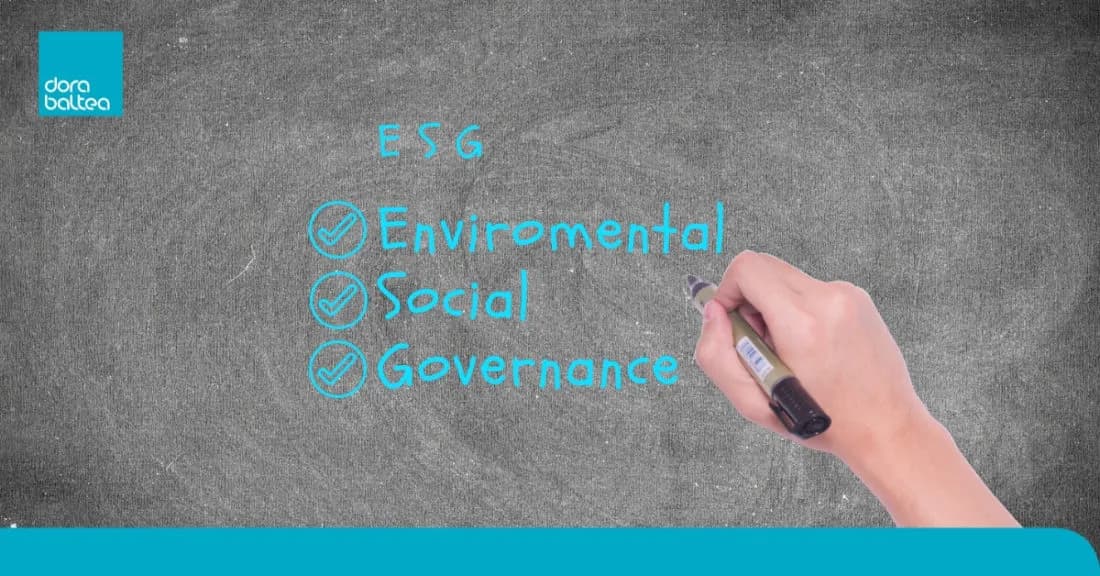
The acronym ESG refers to three fundamental concepts: Environmental, Social and Governance. Let's see what these three words represent:
- Environmental: the first area considered is that of the environment, which includes risks such as climate change, CO2 emissions (carbon dioxide), air and water pollution, waste, and deforestation.
- Social: The second relates to gender policies, human rights, labor standards, and relationships with the civil community.
- Governance: The third relates to corporate governance practices, including executive compensation policies, board composition, control procedures, and the behaviors of executives and the company in terms of compliance with laws and ethics.
Sustainable investment can thus be defined as a long-term approach that considers ESG factors significant in the allocation decisions of one's assets, whether personal savings or a mutual fund.
There is therefore an increasing focus on ESG factors by institutional investors in Europe.
Revealing this is the XVI edition of the European Asset Allocation Survey, conducted by Mercer, a global leader in consulting for the development and organization of human capital.
40% of Institutional Investors in Europe have indeed integrated Environmental, Social and Corporate Governance (ESG) among the upstream criteria of their portfolio strategy. In Italy, this figure rises to 46%.
“From the perspective of stewardship, the scope of long-term risks related to ESG issues and climate change is becoming increasingly clear. Opportunities in the sustainable investment world are also accessible through private markets, which allow financing for unlisted companies and projects that can bring real benefits towards a sustainable and low-emission economy.” said Luca De Biasi, wealth business leader of Mercer Italy.
This is the direction, no longer a mere trend of recent years, but a real choice that has already proven to be worth the investment. Enlightened companies that have initiated and confirmed an internal organization aligned with ESG values are now leaders in their respective sectors.
If your company, entity, or individual to whom you belong has not yet done so, it may be time to consider enhancing and restructuring such values, primarily ethical values and, as we have seen, especially economic values.