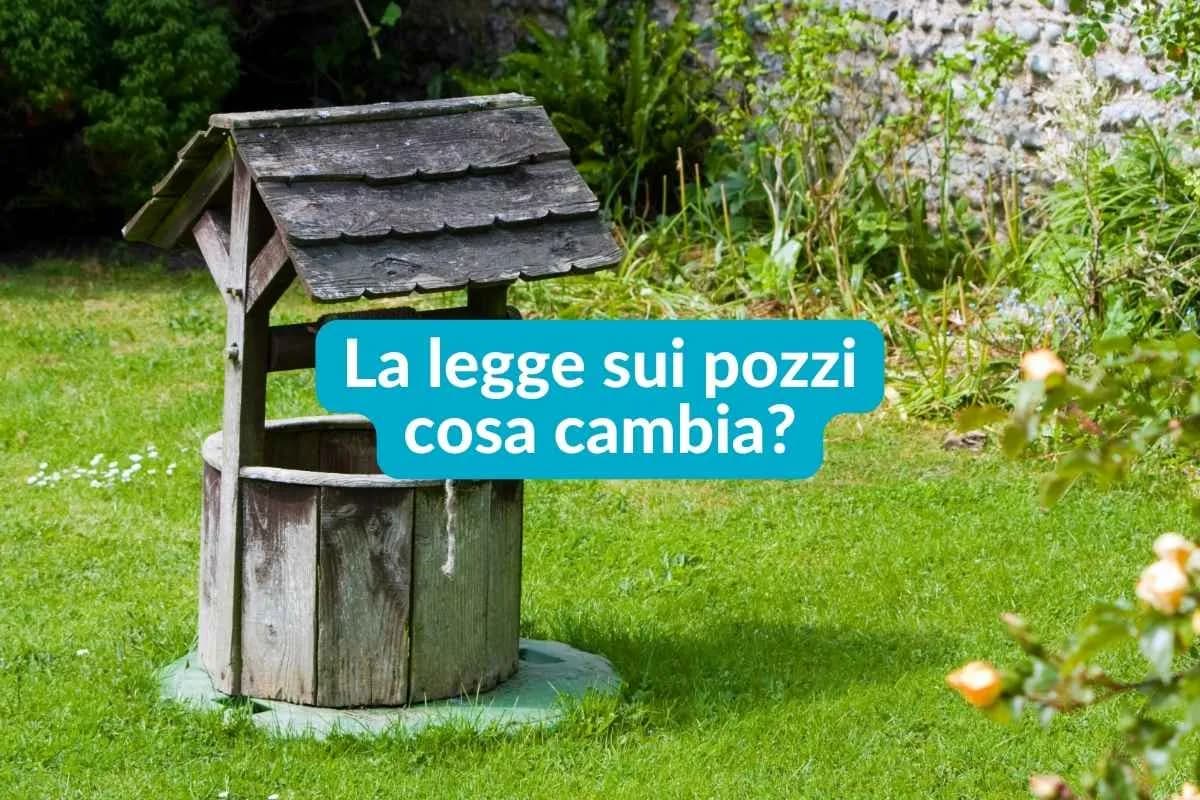
Apulia: what changes for those with a well and why it's time to consider wastewater treatment
On May 27, 2025, the Regional Council of Apulia unanimously approved the new law “Regional Regulation on the Use of Surface and Groundwater”. An important reform that rewrites the rules for water use, aiming to manage an essential resource for life and the territory more sustainably.
📌 Key Points of the New Law
- Clear new rules for the research, extraction, and use of groundwater and surface water.
- Duration of concessions set to a maximum of 15 years, with mandatory chemical and bacteriological analyses every 3 years.
- Regularization of existing unauthorized wells: 270 days to comply.
- Stricter controls in areas vulnerable to agricultural nitrate contamination.
- Single online platform for requests and renewals: “Water Extraction Procedures”.
- Sanctions for non-compliance: fines, well closure, mandatory restoration of sites.
💧 If You Have a Well, Here's What You Need to Do
Those who use a well for domestic, agricultural, or industrial purposes must now declare and regularize it if they haven't already done so. The new law allows 270 days to submit documentation through the dedicated online platform. Failure to comply may result in:
- Automatic expiration of the concession.
- An order to close the well.
- Payment of fines, which can be substantial.
«A late renewal application is allowed within 24 months of expiration, which can be remedied with 360 euros only if there is no extraction and use of water; otherwise, the sanctions provided for by art. 17 of r.d. 1775/1933 also apply».
2026 Update on the Regional Well Law in Apulia
Following the approval of the Regional Law of Apulia on May 30, 2025, no. 7, the regulation on the use of surface and groundwater has been subject to amendments and updates.
The regulation was amended with a notice published in the BURP on June 16, 2025, and was subsequently modified by the Regional Law of Apulia on September 29, 2025, no. 15. Furthermore, for the first year of application, the Apulia Region reopened the deadlines for reporting the volumes of water extracted during 2025, setting the new deadline for July 30, 2026.
According to institutional communications, further implementing provisions and amendments regarding deadlines for the emergence of unrecognized users, concession fees, and some related obligations are also under study. For this reason, anyone using a private, agricultural, or business well should always check their status with the competent authorities and consult the official updates from the Apulia Region.
The connection between wells, aquifers, and wastewater treatment remains central: the water extracted from the underground and the water returned to the environment are part of the same water cycle. For this reason, Dorabaltea encourages considering the proper management of wells alongside the treatment of domestic, agricultural, or industrial wastewater, in order to protect the water resource from extraction to its possible reuse.
🤔 A Reflection: It's Not Just a Matter of Wells
Let's take a moment to reflect. A well may seem like a personal, local, harmless resource. But it is not an isolated system: the soil and subsoil are a large shared reservoir, where everything is interconnected. When an unauthorized septic tank is used, or untreated wastewater is discharged directly into the ground or a channel, those pollutants end up in the subsoil. And it is precisely from there that wells draw water, including the water we drink. Wastewater and drinking water do not flow in separate worlds. They meet. They mix. And they alter the parameters of the water that comes out of the tap. Bacteria, nitrates, metals, chemical residues: everything can rise from the subsoil and end up in a glass. That’s why today it is not enough to regularize a well: an integrated and responsible management of all waters, from sources to final treatment, is necessary.
🌱 Why Treatment is Essential
A treatment plant is not a luxury, but a guarantee of safety. Here’s what it allows:
- ✅ Prevents soil and aquifer pollution
- ✅ Allows water reuse for irrigation or industrial uses
- ✅ Protects the health of your family
- ✅ Avoids sanctions and environmental and urban irregularities
- ✅ Integrates with new regional digital systems
🛠️ Dorabaltea is by Your Side
At Dorabaltea, we have been dealing with wastewater treatment plants for 20 years, with nearly 3000 installations, for private clients, companies, and municipalities. We offer tailored solutions based on customer needs, respecting regulations, the environment, and budgets. Now more than ever, water management cannot be left to improvisation.
- 🔹 If you have a well, regularize it.
- 🔹 If you use water, think about how you return it.
- 🔹 If you have doubts, rely on professionals.
👉 Contact us now for a free consultation We help you get compliant, treat your waters, and become an active part of a safer, cleaner, and more conscious water culture.