

Sustainability Certifications and the role of Water: A Commitment by Dorabaltea. Environmental reputation is everything. Sustainability certification as economic value: A sustainability certificate represents an important tool for various sectors, offering numerous advantages to both companies and the environment.
Index:
Sustainability Certifications:
Dorabaltea's wastewater treatment plants play a key role in reducing the water footprint of companies, thus facilitating the attainment of sustainability certifications:
- In the Wine Sector: Dorabaltea's treatment plants reduce the water footprint, proving essential for obtaining the sustainability certification Equalitas. The Equalitas certification offers a tangible competitive advantage in the global wine market. In some countries, wines boasting Equalitas certification enjoy the privilege of being displayed on dedicated shelves in retail outlets, ensuring greater visibility compared to non-certified products. In some key markets, companies without Equalitas certification cannot export their wines.
- In the Agri-food Sector: The installation of the plant helps agri-food companies reduce their water footprint and obtain the sustainability certification Equiplanet, thus promoting access to increasingly sustainability-conscious international markets.
- In the Tourism Sector: The certification UNI EN ISO 21401 “Sustainable Tourism” and Green Key have become indispensable elements for tourist facilities wishing to highlight their commitment to sustainability. Dorabaltea offers solutions that meet the rigorous standards required, making the facilities more attractive to international tour operators.
- In the Restaurant Sector: the Green Key certification represents a significant competitive advantage, increasing the value of the restaurant offering and distinguishing the facility for an ever-growing segment of customers who prefer sustainable establishments. Dorabaltea's solutions with dedicated ATLAS AT Restaurant technology for treating the challenging wastewater generated by this activity represent an important facilitation in achieving sustainability standards for obtaining the Green Key certification.
Benefits for Companies:
- Better reputation and brand image: Demonstrates commitment to sustainability, increasing consumer trust and strengthening corporate image.
- Greater access to new markets: Consumers, increasingly environmentally conscious, are willing to pay more for sustainable products.
- Cost reduction: Adopting sustainable practices can lead to lower resource consumption and greater production efficiency.
- Better risk management: Certification helps manage environmental and social risks, ensuring greater corporate resilience.
Equalitas, the certification in the wine sector
Equalitas is a very important certification in the wine sector and was born following an initiative by Federdoc and Unione Italiana Vini with the collaboration of Valoritalia (the first certifying body for Wine Origin Denominations), CSQA Certificazioni (Italian leader in agri-food certification), Gambero Rosso (the largest publishing group in Afrigood) and 3Avino (a company specialized in wine finance). Equalitas is a standard for sustainable wine to respond to the needs of a sector that needed to establish a shared, objective, and certifiable scheme by a third-party body. In the context of sustainability, each company must deal with social, environmental, and economic factors. The regulation applies to the entire wine supply chain, and farmers, processors, bottlers, and protection consortia are required to comply with the laws and obtain the required certifications. In particular, the standard provides for the certification of three productive dimensions:
- the enterprise (Organization standard);
- the finished product (product standard);
- the territory (territorial standard)
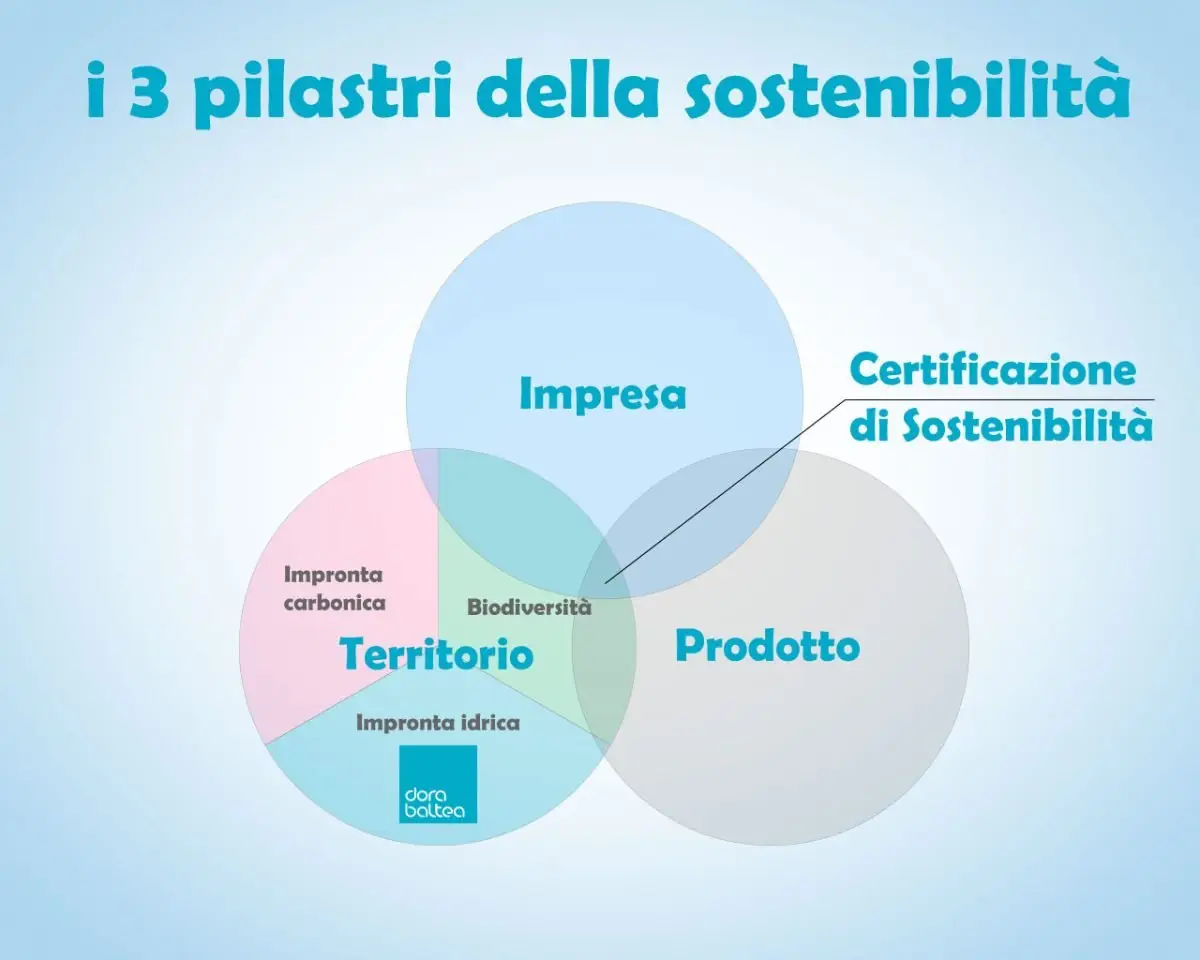
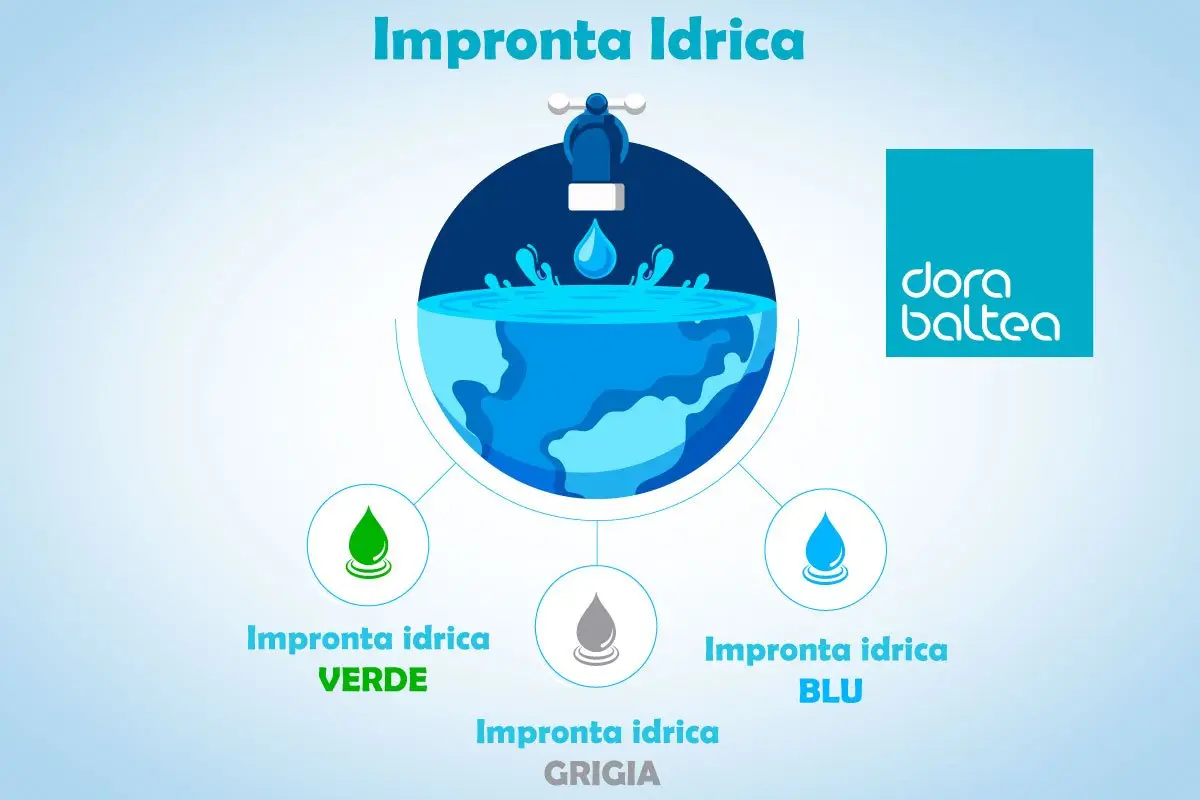
Equalitas also requires that every 3 years the organization conducts an assessment of thewater footprint and establishes improvement processes for the correct use of water resources. The water footprint represents thewater footprint, which is an indicator of the impact that an activity or a single consumer has on the water resource, including:
- direct use: the total volume of freshwater used to produce goods and services, measured in terms of volumes of water consumed;
- indirect use;
- water pollution per unit of time.
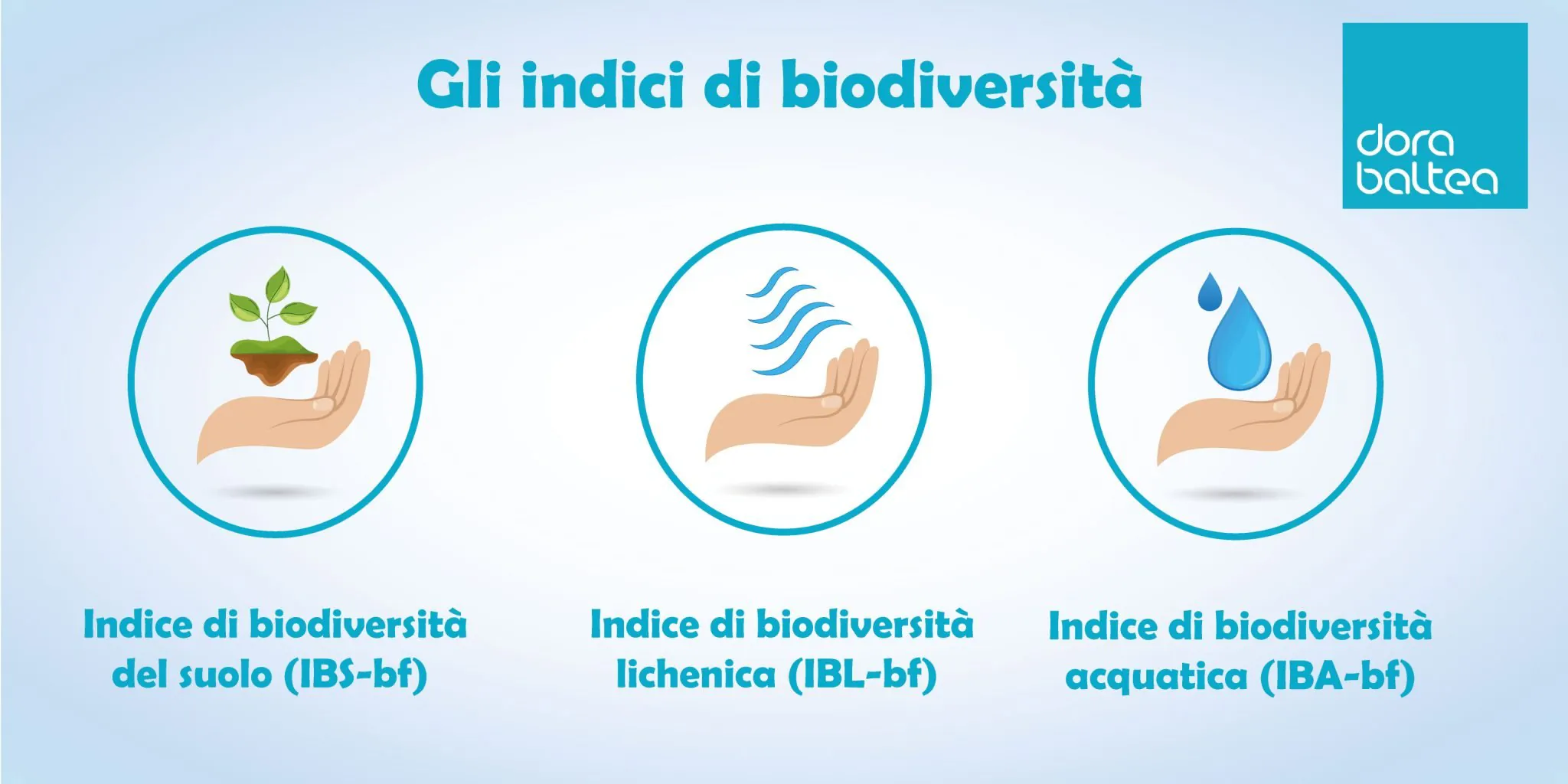
Equalitas also enhances the prestige and reliability of the winery, which can access various international markets that specifically require this certification. In many countries, companies do not purchase wine without this certification, which thus opens the doors to new markets. Furthermore, with this certification, the wine has a dedicated display in supermarkets and gains visibility. It is now well known that for many years both foreign tenders and international monopolies have decided to import only certified wine, and to demonstrate this, the number of certified companies has grown exponentially in recent months. To support the integration of the Sustainable Development Goals of the 2030 Agenda into sustainability policies and reporting processes of Organizations, the so-called SDGs, i.e., the sustainable development goals, have been indicated. During each three-year certification period, at least once the Organization measures the level of biodiversity in water, air, and soil using the methodologyBiodiversity Friend. Biodiversity Friend refers to a certification standard developed in 2010 by the World Biodiversity Association that aims to assess, preserve, and conserve biodiversity. To obtain this certification, a procedure must be followed that takes into account the environmental impacts of agricultural activities on the agro-ecosystem and biodiversity and indicates the most suitable strategies to improve the quality of the environment in agricultural areas. Agritourism companies, educational farms, and companies located in mountainous areas characterized by intensive agro-silvo-pastoral activities must also adhere to this protocol. Biodiversity indices are measured as follows:
- Soil biodiversity index (IBS-bf): soil biomonitoring;
- Aquatic biodiversity index (IBA-bf): water biomonitoring;
- Lichen biodiversity index (IBL-bf): air biomonitoring.
In the context of environmental sustainability, one of the important indicators is also the carbon footprint. The Organization defines and keeps its organizational boundaries updated, with particular reference to the emissions and removals of greenhouse gases from the installations, over which it exercises financial or operational control. The Organization quantifies GHG (Greenhouse Gases) emissions at least once during the three-year certification period, taking ISO 14064-1 as a reference. For the quantification and reporting of GHG emissions, the Organization adopts the OIV protocol (Enterprise Protocol).
Equalitas offers the possibility to certify:
- Sustainable Organization(OS): winery, wine-producing company, bottler;
- Sustainable Product (PS): grapes, must, bulk wine, packaged wine;
- Denomination for Sustainability (DPS).
In the case of the OS module, certification applies to a specific Company Name, VAT number, and legal headquarters. The OS module can also be applied to all sites of the Organization or limited to some. In any case, it must be applied with reference to all processes managed by the requesting Organization at the sites involved in the certification, so exclusions of production processes are not allowed. To optimize and continuously improve the sustainability performance of Organizations, a gradual path is provided according to the following steps:
- Major Requirements (M): requirements to be met 100% from the first year of certification and for the years to come to obtain and maintain certification;
- Minor Requirements (m) and Recommendations (R): requirements that must be fulfilled in a percentage between 30% and 10% in the first three years of certification;
- Theenvironmental sustainability indicators: to be measured within the first three-year certification period and subsequently at least once during each three-year period.
Finally, it is worth noting the introduction of important innovations provided by the revision 4 of the standard:
- introduction of the certification standard's scope to include flavored wine products;
- introduction of new requirements related to the control and sampling plan of winery wastewater; reviews of equipment maintenance plans; privacy management; calculation of the frequency and severity index of accidents; calculation of ethical-social indicators; relations with third parties; corporate governance, etc.;
- environmental indicators aligned with international standards UNI EN ISO 14064-1 and 14067 (organizational and product carbon footprint) and 14046 (water footprint).
To meet the requirements of the water footprint, it is important to install the Dorabaltea plant, which helps lower the water footprint and guarantees significant improvements in terms of performance, wine quality, and reduction of environmental impact. The load of water used is significantly reduced, which means less water waste and less pollution, also through the reuse of water that, thanks to Dorabaltea's treatment plants, is transformed into a new resource.
EquiPlanet
Another important certification is EquiPlanet, required in the food sector, which mandates the updating of the water footprint calculation every 3 years. EquiPlanet is the innovative sustainability certification standard aimed at agri-food companies, developed by Valoritalia and Santa Chiara Next to meet the needs of companies in the agrifood sector for obtaining sustainability certification in line with the UN 2030 agenda. The certificate was presented last February 22 at the Cavour Hall of the Ministry of Agriculture, Food Sovereignty, and Forestry. Professor Angelo Riccaboni, president of EquiPlanet, explained to entrepreneurs, press, trade associations, and MASAF executives the objectives and peculiarities of this new protocol, which has two main objectives:
- to meet the needs of agri-food companies eager to certify the sustainability of their products;
- to provide a response to the demands of a market increasingly sensitive to environmental and social issues.
The standard is based on a methodology developed by Santa Chiara Next, in collaboration with the United Nations Sustainable Development Solutions Network and the Columbia Center on Sustainable Investment at Columbia University, as well as on the operational experience gained by Valoritalia with Equalitas. The main difference of EquiPlanet, compared to other certifications, is that it does not certify the sustainability of each individual product, but rather the compliance of corporate policies and processes with the objectives and requirements established by the UN 2030 Agenda. The standard is divided into 4 main areas:
- good corporate citizenship;
- sustainability of operations and processes;
- sustainability of the supply chain;
- products and strategies that contribute to healthy and sustainable diets.
Companies wishing to certify with EquiPlanet must adopt a Sustainability Management System, establish measurable objectives, and finally adopt all necessary countermeasures to improve sustainability performance. Furthermore, they must also publish a Sustainability Report prepared with the international standards set by the Global Reporting Initiative. Companies that achieve EquiPlanet certification gain important advantages, even more evident when considering the evolution of the surrounding legal context. Among the most important are alignment with the SDGs of the UN 2030 Agenda and the compliance with ESG requirements (Environmental, Social, Governance). Companies not only comply with the regulatory obligations set at both national and community levels but also adapt to new credit assessment methodologies developed by banking institutions that provide differentiated ratings based on the degree of adherence to sustainability requirements. To meet the requirements of the water footprint, it is important to install the Dorabaltea plant, which helps lower the water footprint and guarantees significant improvements in performance. The plant allows for a more virtuous and prudent management of water, a precious resource that requires more careful use in light of the objectives of the UN Agenda 2023, but also of climate crises such as drought and water scarcity. Did you know that with our plants you can reuse water to reduce waste, costs, and water consumption? Click here to contact us and learn more!
Sustainable Tourism
Today, there is increasing talk of sustainable tourism, which is a tourism capable of offering fun and enjoyable experiences to guests while fully respecting nature and the surrounding environment. Thus, another important certification for sustainable tourism has been introduced by Valoritalia, which provides for the application of the ISO 21401 standard that establishes the environmental, social, and economic requirements of a Sustainability Management System (SGS). This standard can be applied to any type of recreational facility that wants to adopt a green and eco-sustainable policy. The company must reduce the negative impact of its activities on the environment and maximize the positive impact, contributing to the social and economic development of employees and local communities and promoting the surrounding territory.The audit is divided into two stages:
- stage 1: document verification and at the facility;
- stage 2: verification only at the facility.
Between the verification of stage 1 and stage 2, more than 6 months may pass. If non-compliance elements emerge, the company must eliminate them within the specified deadlines, after which the practice is reviewed by the Executive Control and Certification Committee. Once this process is completed, if no further critical issues arise, the company is issued the certificate according to UNI ISO 21401. Once certification is obtained, the company must also maintain it and is therefore subject to annual surveillance. The surveillance audit takes place only once internally at the facility. The certification is valid for three years, so at the third year, a renewal audit is conducted.The sustainability management system includes:
- organizational context;
- management commitment and sustainability policy;
- planning (objectives, actions to address risks and opportunities);
- support for SGS (adequate resources, skills, awareness, etc.);
- operation of processes and evaluation of suppliers;
- performance evaluations;
- continuous improvement.
The company must minimize the negative impacts of its activities. The contents are as follows:
- preparation and response to environmental emergencies;
- natural areas and biodiversity;
- architecture and building impact;
- design of outdoor areas;
- solid waste effluents and emissions;
- water conservation and management;
- management of hazardous substances.
Regarding the economic and social development of workers and the communities where the company resides, the expected contents are as follows:
- local communities;
- work and income;
- working conditions;
- cultural aspects;
- health and education;
- indigenous population.
Finally, regarding economic aspects, the contents to be analyzed are three:
- economic profitability of the organization;
- quality and satisfaction of the guest;
- health and safety of workers and guests.
Green Key Program.
Dorabaltea supports companies that want to join the Green Key Program A concrete commitment to safeguarding the planet Tourism is a continuously growing sector that can have a significant impact on the environment. The Green Key program was born precisely from the need to promote more sustainable tourism that can meet the needs of tourists while respecting the environment and local communities.Founded in 1994 by FEE (Foundation for Environmental Education), a non-profit organization based in Denmark, Green Key is now the most widespread certification program for tourist facilities in the world, with over 3,200 certified establishments in 66 countries. Green Key, along with the Blue Flag certification, is one of the most widespread eco-labels in tourism worldwide.In Italy, the Green Key program is managed by FEE Italia, which collaborates with entities and organizations in the tourism sector to promote sustainability in the sector.
How the Green Key program works
The Green Key program is based on an eco-label certification system that evaluates the adherence of tourist facilities to strict environmental criteria. The criteria are divided into two macro-areas:
- Mandatory criteria: concern fundamental aspects of environmental management, such as reducing water and energy consumption, waste management, and using eco-compatible products.
- Optional criteria: concern more specific aspects, such as using renewable energy, purchasing local and seasonal food products, and promoting sustainable mobility.
Specific criteria for facility type:
Large facilities (over 250 rooms)
- Mandatory criteria:
- Reduction of water and energy consumption by 5% annually
- Separate waste collection
- Use of eco-compatible products for cleaning and maintenance
- Control of polluting emissions
- Optional criteria:
- Use of renewable energy
- Purchase of local and seasonal food products
- Promotion of sustainable mobility
Medium facilities (20 to 250 rooms)
- Mandatory criteria:
- Reduction of water and energy consumption by 3% annually
- Separate waste collection
- Use of eco-compatible products for cleaning and maintenance
- Optional criteria:
- Use of renewable energy
- Purchase of local and seasonal food products
- Promotion of sustainable mobility
Restaurants
- Mandatory criteria:
- Reduction of water and energy consumption
- Separate waste collection
- Use of eco-compatible products for cleaning and maintenance
- Optional criteria:
- Purchase of local and seasonal food products
- Promotion of sustainable cuisine
- Use of reusable dishes and tablecloths
Wastewater Sustainability Certification.
To meet the requirements of the water footprint, it is important to install the wastewater treatment and reuse plant, with certified efficiency performance. The Dorabaltea wastewater treatment plant:
- Helps to lower the water footprint of the facility, reducing water consumption.
- Ensures a significant improvement in energy performance, allowing for sustainable water savings.
- Utilizes advanced technologies for the treatment and reuse of wastewater.
Facilities wishing to obtain Green Key certification must follow a process of adherence, adjustment, audit, and verification.
The benefits of Green Key certification
Green Key certified facilities gain numerous benefits, including:
- Improvement of corporate image: Green Key certification is an important recognition that demonstrates the facility's commitment to sustainability. This can attract new customers who are environmentally conscious and seek to make responsible choices.
- Increased market competitiveness: tour operators are increasingly environmentally conscious and choose to direct tourists to facilities that commit to reducing their environmental impact. Thus, Green Key certification can be a competitive advantage for facilities that obtain it.
- Reduction of management costs: adopting good environmental practices can lead to reduced management costs for the facility, such as water and energy consumption.
- Customer loyalty: customers staying in a Green Key certified facility are more likely to return and recommend the facility to others.
- Improvement of staff morale: staff working in a Green Key certified facility are more aware of the importance of sustainability and may be more motivated to work responsibly.
- Access to new market opportunities: Green Key certification can open doors to new market opportunities, such as participation in tenders or access to specialized distribution channels.
- Preference from financial institutions: banks favor sustainably certified clients with better conditions, who can obtain financing unlike those who are not.
- Environmental risk insurance: insurance companies favor Green Key certified companies, which have a lower risk of incurring damages due to ongoing climate changes.
- Contribution to environmental protection: Green Key certified facilities contribute to reducing the impact of tourism on the environment, protecting natural resources and biodiversity.
In summary, Green Key certification can be an important tool for tourist facilities that want to improve their environmental performance, increase their competitiveness in the market, and contribute to more sustainable tourism. In addition to the benefits listed above, Green Key certified facilities can also:
- Use the Green Key logo in their promotional materials.
- Participate in promotional events and initiatives organized by FEE Italia.
- Receive training and assistance from FEE Italia.
Innovation and Sustainability: The role of Water Treatment Plants
The installation of wastewater treatment plants is essential for obtaining sustainability certifications. Our advanced technologies allow for the reuse of wastewater in various business processes, such as washing yards, floors, toilet flushes, garden irrigation, and feeding fire extinguishing systems. This not only highlights our commitment to sustainability but also optimizes the use of water resources, reducing freshwater consumption and waste.
Why choose Dorabaltea?
Choosing Dorabaltea means opting for a partner who not only understands the technical requirements for water treatment and reuse but is also deeply committed to the path towards sustainability. Our experience and technologies directly respond to the criteria required by sustainability certifications, offering companies a significant competitive advantage. With Dorabaltea, companies can not only access new markets but also respond to the growing demand for environmentally friendly practices, thereby strengthening their image and commitment to a greener future. Discover how our projects are making a difference and join us in this crucial mission for a more sustainable future. Visit Dorabaltea Projects https://www.dorabaltea.com/progetti/ to learn more about our commitment and achievements. Together, we can build a better tomorrow, in harmony with our environment  .